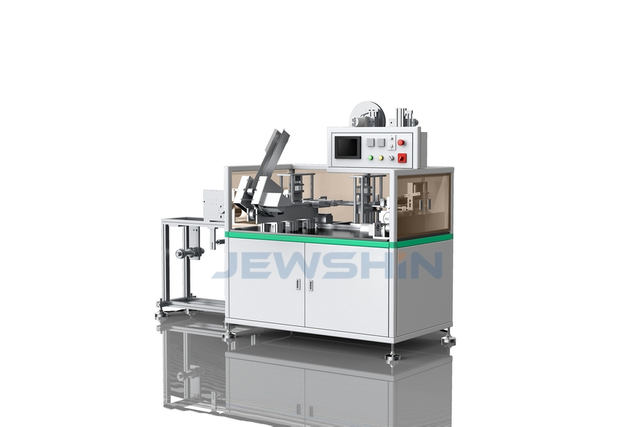
Choosing an industrial packaging machinery manufacturer requires checking engineering experience, machine reliability, production capability, and long-term service support. A suitable supplier should provide equipment with stable output, accurate packaging performance, and measurable operating results. For example, modern automated packaging systems can improve production efficiency by 15%–40% compared with manual or semi-automatic processes, while reducing material waste by 5%–20% in many production environments.
Industrial packaging equipment is a long-term investment, so manufacturers should be evaluated through technical details rather than only equipment prices. The global packaging machinery market reached more than USD 50 billion in 2023, and demand continues to increase as food, pharmaceutical, chemical, and consumer goods companies expand automation.
A reliable manufacturer should show how its machines perform in real factories, including production speed, maintenance records, energy usage, and customer applications.
The first aspect to review is manufacturing experience. Companies with years of experience usually understand different packaging requirements, including filling accuracy, sealing quality, product handling, and line integration. A manufacturer that has supplied equipment for multiple industries can often provide better solutions for different product types.
Production records should also be checked. A machine designed for continuous operation may run 8–24 hours per day, and small design problems can create repeated downtime. For example, a packaging line operating 300 days per year with a 2% downtime difference can lose dozens of production hours, depending on the output capacity.
Engineering capability is another factor when selecting a supplier. Industrial packaging systems often require adjustments based on product size, packaging materials, factory layout, and production targets.
A professional supplier should be able to provide:
| Area | What to Evaluate |
|---|---|
| Machine Design | Structure strength, component selection, production speed |
| Automation System | PLC control, sensors, monitoring functions |
| Packaging Accuracy | Filling tolerance, sealing quality, product consistency |
| Integration Ability | Connection with conveyors and other production equipment |
| Future Expansion | Upgrade options and additional functions |
Many manufacturers purchase standard equipment first and later require modifications after production starts. A supplier with strong engineering experience can reduce these adjustments by designing equipment based on actual factory conditions.
Customization ability is especially important for companies with special packaging formats. Different products require different solutions. For example, fragile products may need gentle feeding systems, while high-speed consumer goods may require faster material handling.
The selection of an automatic packaging machine supplier should include an evaluation of previous projects, machine specifications, and technical support capabilities. Companies should review whether the supplier has experience with similar products and production volumes.
A manufacturer should be able to explain:
-
Expected machine speed under normal operating conditions
-
Recommended maintenance intervals
-
Compatible packaging materials
-
Required operator skills
-
Spare parts availability
For example, a packaging machine running at 60–120 packages per minute requires stable mechanical movement and accurate sensor control. A small error in positioning or sealing can affect thousands of packages after several hours of operation.
Manufacturing quality directly affects equipment lifespan. Industrial packaging machines often operate for 5–10 years, so component selection and assembly quality should receive careful attention.
Important points include:
| Component | Evaluation Standard |
|---|---|
| Motors | Energy efficiency and operating stability |
| Sensors | Detection accuracy and response speed |
| Electrical Parts | Reliability and safety certification |
| Mechanical Parts | Wear resistance and service life |
| Software | Control flexibility and operation simplicity |
Many international manufacturers use quality management systems such as ISO 9001 to maintain production standards. A supplier with documented inspection procedures can reduce equipment problems after installation.
Factory testing before shipment is also important. A complete acceptance process may include machine operation tests, packaging sample checks, safety inspections, and production speed verification. Some suppliers conduct several days of continuous testing before delivery to confirm stable operation.
Energy consumption has become an important consideration for modern factories. Packaging equipment with efficient motors, optimized pneumatic systems, and intelligent controls can reduce operating costs.
Compared with older machines produced before 2010, newer automated systems can reduce energy consumption by approximately 10%–35%, depending on the application. Lower electricity usage also helps companies meet environmental requirements from global customers.
Machine maintenance should be considered before purchase. A low-cost machine may require more frequent repairs if components are difficult to replace or technical support is limited.
A supplier should provide:
-
Installation assistance
-
Remote troubleshooting
-
Operator training
-
Maintenance instructions
-
Spare part supply
For international projects, response time can affect production schedules. Many manufacturers expect technical support within 24–72 hours when equipment problems occur. A supplier with professional service teams can help reduce unnecessary production interruptions.
Spare parts availability is another point to review. Common parts such as sensors, belts, valves, and electrical modules should have clear replacement channels. Companies should ask suppliers about average delivery times and recommended spare inventories before purchasing equipment.
The total operating cost should be calculated instead of comparing only the purchase price. A machine with a higher initial cost may provide better performance over several years because of lower maintenance requirements and higher production efficiency.
A simple evaluation table can include:
| Cost Item | Questions |
|---|---|
| Equipment Price | Does the machine match the required production level? |
| Maintenance Cost | How often are parts replaced? |
| Energy Usage | How much electricity does daily operation require? |
| Service Support | How quickly can technical problems be handled? |
| Upgrade Options | Can the machine support future needs? |
For example, a packaging system that improves production efficiency by 20% and reduces material waste by 8% may provide better long-term performance than a cheaper machine with lower automation.
Technology development is also changing industrial packaging. Since 2020, more manufacturers have introduced digital monitoring, remote diagnosis, and data collection systems into packaging equipment. These functions allow operators to understand machine conditions and improve production planning.
Smart packaging systems can include:
-
Production data recording
-
Remote equipment monitoring
-
Automatic error notifications
-
Performance analysis tools
-
Connection with factory management systems
Companies should also review customer references before choosing a manufacturer. Previous projects show how equipment performs under real production conditions.
Useful questions include:
-
How many machines of the same model have been installed?
-
How long have existing customers operated the equipment?
-
What production capacity has been achieved?
-
What industries use the machine successfully?
Customer references from similar industries provide more practical information than general product descriptions.
The supplier’s ability to provide documentation should not be overlooked. Professional manufacturers usually provide installation manuals, operation guides, electrical drawings, maintenance schedules, and safety information.
For companies purchasing international equipment, clear documentation reduces installation time and improves operator training efficiency. A well-prepared technical package can shorten commissioning periods by several days or weeks depending on project size.
Selecting an industrial packaging machinery manufacturer requires comparing engineering ability, manufacturing quality, service support, and long-term operating performance. Companies that evaluate these areas can choose equipment that matches their production goals and maintains stable performance over many years.
A professional supplier should provide more than a machine. It should provide technical knowledge, reliable equipment quality, and support throughout the entire operating period. One example of a manufacturer offering industrial packaging solutions is an automatic packaging machine supplier with experience in automated packaging equipment development and production.